
Perspectivas
7 Cybersecurity Essentials Every Small Business Needs in 2026
Por Austin Frank · Publicado el 8 jun 2026


Reading time: 6 minutes | Category: Cybersecurity, Small Business IT
Small businesses are under attack and most don't know it until it's too late.
Cybercriminals have shifted their focus. Large enterprises now invest millions in security infrastructure, making them harder targets. Small businesses, meanwhile, often operate with minimal IT protection, outdated software, and no incident response plan. That makes them low-hanging fruit.
According to the Verizon Data Breach Investigations Report, over 40% of cyberattacks target small businesses.¹ The average cost of a data breach for a small business exceeds $200,000, enough to permanently close many operations.²
The good news? Strong cybersecurity doesn't require an enterprise budget. It requires the right strategy.
Here are seven cybersecurity fundamentals every small business should have in place today.
1. Multi-Factor Authentication (MFA) on Every Account
Passwords alone are no longer enough. Credential theft through phishing, data breaches, or brute force is one of the leading causes of unauthorized access.
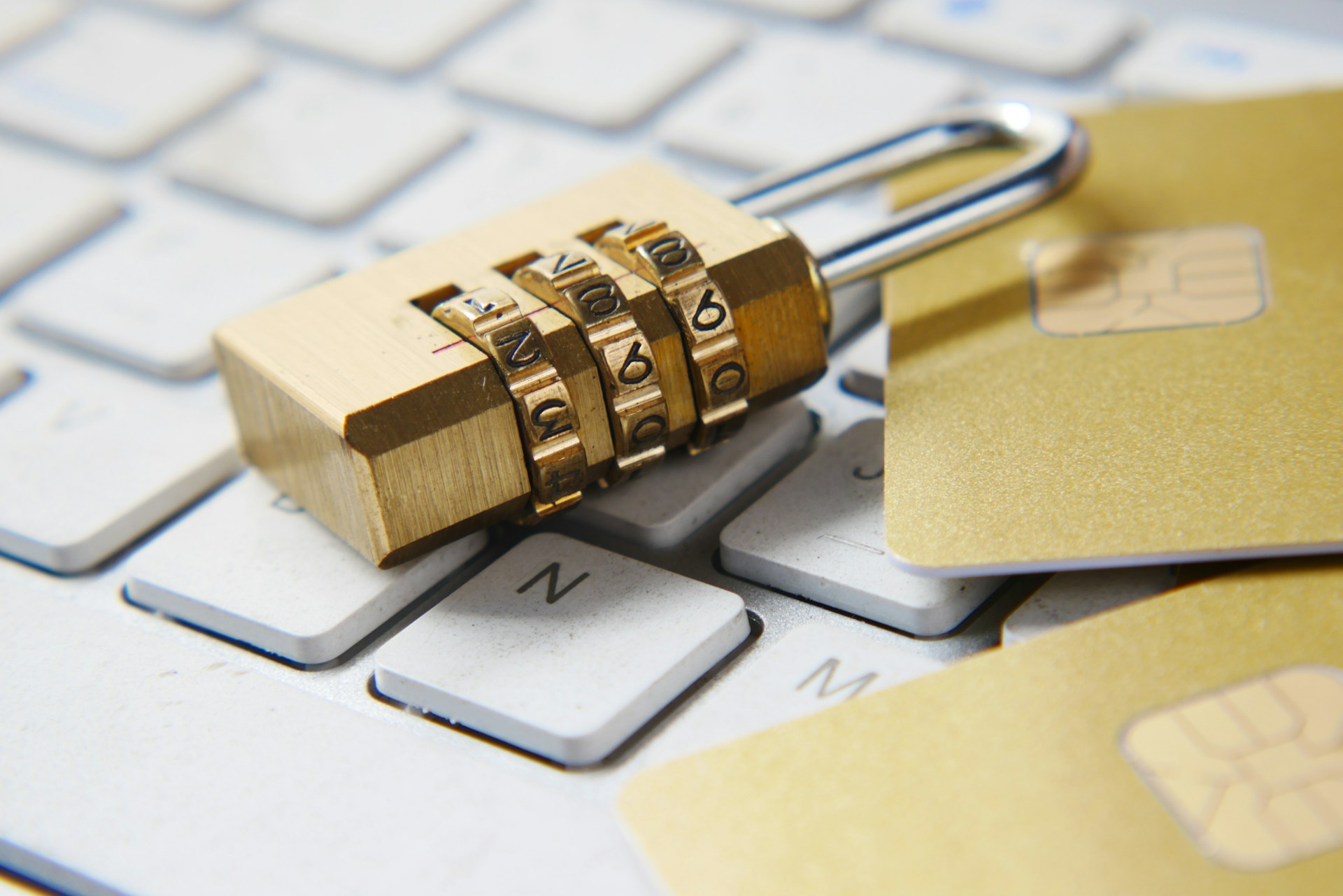

Multi-factor authentication adds a second layer of verification (a code sent to your phone, a biometric scan, or an authentication app), making it dramatically harder for attackers to access your systems even if they have your password.
Start here: Enable MFA on email, cloud storage, remote access tools, and any financial platforms your business uses. Microsoft reports that MFA blocks over 99% of automated account compromise attacks.³
2. Endpoint Detection and Response (EDR)
Traditional antivirus software reacts to known threats. Today's attacks are increasingly sophisticated. Fileless malware, zero-day exploits, and ransomware that disguises itself as legitimate software can bypass legacy tools entirely.
Endpoint Detection and Response (EDR) solutions monitor device behavior in real time, detecting anomalies that signature-based antivirus would miss. Every laptop, workstation, and mobile device that touches your network is a potential entry point.
What this means for your business:
All endpoints, especially remote worker devices, should be covered under a managed EDR solution, not just basic antivirus.
3. Regular, Tested Data Backups
Ransomware has become one of the most damaging threats facing small businesses. Attackers encrypt your data and demand payment to restore it. Without a reliable backup, many businesses pay or close.
A proper backup strategy follows the 3-2-1 rule:
- 3 copies of your data
- 2 stored on different media types
- 1 stored offsite (or in the cloud)
Critically, backups must be tested regularly. A backup that hasn't been verified is just an assumption, and assumptions don't protect you when a ransomware attack strikes. The Cybersecurity and Infrastructure Security Agency (CISA) recommends this exact approach for small and mid-sized organizations.⁴
4. Patch Management
Unpatched software is one of the most common vulnerabilities attackers exploit. The WannaCry ransomware attack, which affected more than 200,000 systems across 150 countries, targeted a Windows vulnerability that had a patch available for months before the outbreak.⁵
Every application, operating system, and firmware on your network should be kept current. This includes:
- Windows and macOS updates
- Third-party software (browsers, PDF readers, productivity suites)
- Network equipment firmware (routers, firewalls, switches)
Tip: Automated patch management tools can handle this systematically, reducing the risk of missed updates across your environment.
5. Employee Security Awareness Training


Your team is both your greatest vulnerability and your best line of defense. Phishing remains the number one attack vector for small businesses, and modern phishing emails are increasingly convincing, often impersonating known vendors, banks, or even internal leadership.
The 2024 Verizon DBIR found that the human element was involved in 68% of breaches.¹ Security awareness training teaches employees to:
- Recognize phishing and social engineering attempts
- Handle sensitive data properly
- Report suspicious activity quickly
- Follow safe password hygiene
Training doesn't need to be a lengthy annual seminar. Short, regular micro-trainings and simulated phishing tests are more effective and keep security top of mind year-round.
6. Network Segmentation and Firewall Management
If an attacker gains access to one device on your network, how far can they move? Without proper network segmentation, the answer is often: everywhere.
Segmentation divides your network into zones, limiting what each device or user can access. A compromised workstation in accounting, for example, shouldn't be able to reach your server room or your point-of-sale systems.
Combined with a properly configured next-generation firewall, segmentation dramatically limits the blast radius of a breach. The National Institute of Standards and Technology (NIST) identifies network segmentation as a core control in its Cybersecurity Framework.⁶
Common gaps: Guest Wi-Fi networks that share infrastructure with internal systems, no separation between operational technology and corporate IT, and out-of-date firewall rules that no one has audited in years.
7. A Written Incident Response Plan
When a security incident occurs, every minute counts. Businesses without a response plan often make costly mistakes, leaving systems connected longer than necessary, failing to notify affected parties in time, or mishandling evidence.
A basic incident response plan documents:
- Who to contact first (internal and external)
- How to isolate affected systems
- How to preserve evidence
- Legal and regulatory notification requirements
- Steps to restore operations
You don't need a 50-page document. A clear, practiced one-page runbook can make the difference between a contained incident and a full-scale breach. IBM's Cost of a Data Breach Report found that organizations with a tested incident response plan saved an average of $1.49 million compared to those without one.²
Is Your Business Protected?
Cybersecurity isn't a one-time purchase. It's an ongoing program. For small businesses without a dedicated IT team, keeping up with evolving threats, managing vendors, and maintaining compliance requirements can feel overwhelming.
That's where a trusted managed IT partner makes all the difference.
Black Tie IT specializes in IT security and managed services for small businesses across Orange County, including healthcare practices, financial firms, and professional services organizations. Our team provides proactive monitoring, endpoint protection, backup management, and employee training designed specifically for the industries and compliance requirements our clients navigate every day.
Contact our team to schedule a complimentary security assessment and find out exactly where your vulnerabilities lie, before someone else does.
Black Tie IT is a managed IT services and consulting firm based in Orange County, California, serving small businesses in healthcare, finance, tax, medspas, and related industries. Learn more at blacktieit.com.
Tags: cybersecurity, small business IT, managed IT services, Orange County IT, data protection, ransomware prevention, MFA, endpoint security
Fuentes
- Verizon. (2024). 2024 Data Breach Investigations Report. https://www.verizon.com/business/resources/reports/dbir/
- IBM Security. (2024). Cost of a Data Breach Report 2024. https://www.ibm.com/reports/data-breach
- Microsoft Security. (2023). One simple action you can take to prevent 99.9 percent of attacks on your accounts. https://www.microsoft.com/en-us/security/blog/2019/08/20/one-simple-action-you-can-take-to-prevent-99-9-percent-of-account-attacks/
- Cybersecurity and Infrastructure Security Agency. (2024). Data Backup Options. https://www.cisa.gov/sites/default/files/publications/data_backup_options.pdf
- European Union Agency for Cybersecurity (ENISA). (2017). WannaCry Ransomware: First Insights. https://www.enisa.europa.eu/publications/info-notes/wannacry-ransomware-first-insights
- National Institute of Standards and Technology. (2024). NIST Cybersecurity Framework 2.0. https://www.nist.gov/cyberframework