
Perspetivas
Custom Software for Small Business in 2026: Lower Build Costs, Faster to Launch, and More Accessible
Por Elliot Mendiola · Publicado em 1 de jun. de 2026


If you run a small or mid-sized business, you have probably felt the squeeze from software subscriptions, spreadsheets that do not talk to each other, and tools that don't quite fit your workflow. The good news from 2026 industry data is that custom software is more reachable than it was even two years ago. The build cost is coming down, and the long-term value of doing it right is as important as ever.
Why Custom Software Costs Less to Build in 2026
Coding assistants have changed how software gets written. Developers can generate boilerplate, tests, and routine features faster, which trims billable hours on straightforward work.


Industry estimates for 2026 show how much more accessible custom software is. According to Vasundhara’s 2026 analysis, simple applications that once used to cost $25,000 to $75,000 now often land in the $15,000 to $50,000 range, with AI-assisted development cutting costs on those projects by 20-30% compared with 2023. While complex projects still see cost savings, there are less and less savings as complexity increases.
What this means for small businesses, is that the entry point for custom software is more accessible than ever. If you ever looked into a custom tool, a customer portal, or an internal operations app, then you might be surprised how the cost has changed since then.
What AI Does Not Replace (and Why It Still Costs Money)
AI speeds up typing code. It does not replace the work that keeps your business safe and your software running year after year.
Think of a custom build in three layers:
- Application features (what your team sees and uses daily)
- Infrastructure (hosting, databases, backups, monitoring, integrations)
- Governance (security, maintenance, compliance, and recovery planning)
AI mostly helps with layer one. Layers two and three are where experienced partners are necessary.
Annual software maintenance typically runs 15% to 25% of the original build cost, according to multiple 2026 pricing guides. That budget covers security patches, dependency updates, bug fixes, hosting, and the small improvements that keep the system aligned with how you actually work.
Compliance is still mandatory if your software touches financial data, health data, or regulated industries. Audit logging, encryption, access controls, and penetration testing add cost upfront, but they protect you from far more expensive fixes later.
Cheap builds that skip security and maintenance create technical debt. You pay for that debt eventually, usually at the worst possible time.
Software That Adapts to You, Not the Other Way Around
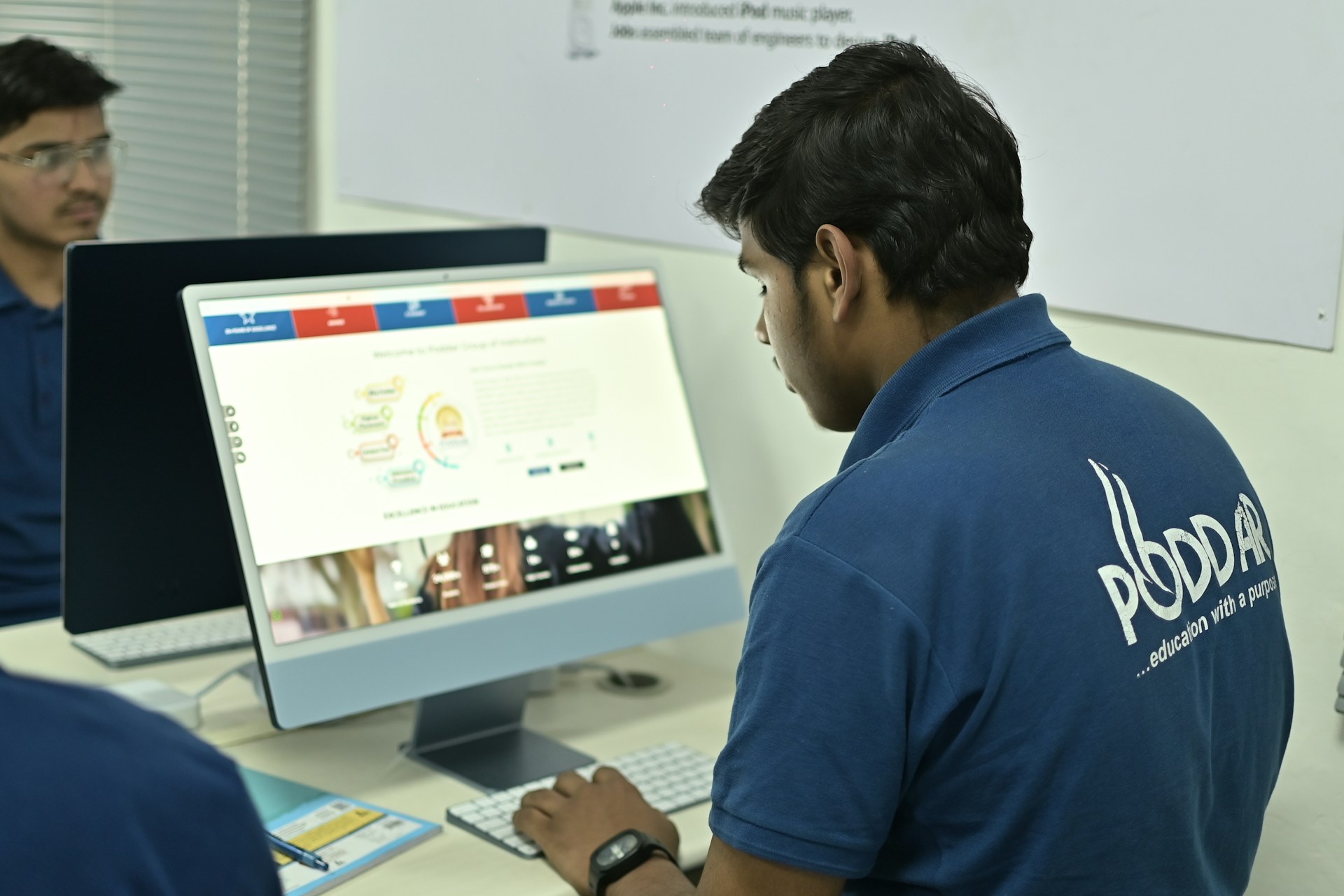

Off-the-shelf SaaS is a smart choice for standard jobs like email, payroll, or basic project tracking. You sign up, you pay per seat, and you are live in days.
When your process is the reason your customers choose you, out of the box solutions often just won't cut it. Generic tools force workarounds. Your team retypes the same information across systems. Reports never quite match how you measure success.
When you use your own custom software that relationship is inverted. The screens, approvals, and data flows match how your crew already operates. Integrations connect your scheduling, payments, CRM, and field tools instead of a random assortment of features made to serve 50 different industries.
When does custom make sense? Ask yourself:
- Does our process set us apart from our competitors?
- Are we paying for software nobody uses, or that satisfies one small niche?
- Does our team spend hours each week on manual workarounds?
- Will we need this system for three to five years or more?
If you answered yes to two or more, a custom build deserves some real consideration.
A Practical Path for Small Business Owners
You do not need a massive enterprise budget to start. Most successful projects begin narrow:
- Define one painful workflow (dispatch, quoting, inventory, client onboarding).
- Build a minimum viable version that solves that workflow well.
- Plan for maintenance from day one, not as an afterthought.
- Add features only after your team proves they use the first version daily.
This approach keeps early cost manageable while still delivering software shaped around your business.
How Grey Mountain Software Can Help
We are a family-owned personal technology partner that builds websites and custom software around how your business actually works. If you are exploring operations software, a dedicated website with room to grow, or senior technical guidance without a full-time hire, we can help you figure out what makes sense for your business.
Explore our services:
- Operations software: https://greymountain.software/services/operations-software
- Websites: https://greymountain.software/services/websites
- Technology consultation: https://greymountain.software/services/consultation
- Learn more about our team: https://greymountain.software/about
Your Next Step
If this post resonated, share it with another owner who is tired of forcing their business into someone else's software mold. Then visit https://greymountain.software/contact and tell us what workflow you wish worked better. We will help you figure out whether custom software makes sense for your timeline, budget, and team, with no pressure and plain language.
Fontes
Cost and AI impact on custom software development
Vasundhara. "How Much Does Custom Software Development Cost in 2026? After AI." 2026. https://vasundhara.io/blogs/custom-software-development-cost-in-2026-after-ai Used for: simple application cost range ($15,000 to $50,000), AI-related savings on simple projects (20% to 30% vs. 2023), average savings across project types (10% to 20%), and moderate savings on medium-complexity work (15% to 20%).
Abbacus Technologies. "How Much Does AI Software Development Cost for Small Business in 2026." 2026. https://www.abbacustechnologies.com/how-much-does-ai-software-development-cost-for-small-business-in-2026/ Used for: broader small business software cost ranges and context on how project type affects budget.
Neomeric. "AI MVP Development Cost in 2026: What Founders Pay." 2026. https://blog.neomeric.com/ai-mvp-development-cost-2026/ Used for: MVP cost tiers and context on how AI architecture choices affect project budgets.
Software maintenance, infrastructure, and ongoing costs
API Pilot. "Average Cost of Custom Software for Small Business in 2026: A Practical Budgeting Guide." 2026. https://apipilot.com/average-cost-of-custom-software-for-small-business-in-2026-a-practical-budgeting-guide/ Used for: annual post-launch maintenance (15% to 20% of initial build cost), compliance-driven cost increases, and risks of cutting corners on security.
Adevs. "Software Maintenance Costs 2026: Complete Pricing Guide." 2026. https://adevs.com/blog/software-maintenance-costs/ Used for: annual maintenance benchmark (15% to 25% of development cost), maintenance cost breakdown by application type, and compliance-driven maintenance requirements.
Intigate Technologies. "Software Maintenance Cost Per Year: 2026 Pricing Guide." 2026. https://www.intigatetechnologies.com/software-maintenance-cost-per-year/ Used for: annual maintenance range (15% to 25% of original development budget), maintenance budget categories (hosting, security, compliance), and ongoing vendor fee increases.
DigiSoft Solution. "How Much Does Enterprise Software Development Cost 2026?" 2026. https://www.digisoftsolution.com/blog/enterprise-software-development-cost Used for: maintenance as 15% to 25% of original development cost per year, total cost of ownership framing, and compliance-related cost additions (GDPR, HIPAA, SOC 2, PCI DSS).
NextPage IT. "Software Maintenance Cost: Support, Security, Cloud." 2026. https://www.nextpageit.com/blog/software-maintenance-cost Used for: what ongoing maintenance includes (security patches, monitoring, backups, cloud operations) and why those costs are non-optional for business-critical software.
Custom software vs. off-the-shelf SaaS
Xcapit. "Custom Software vs Off-the-Shelf: The Complete Decision Guide for 2025." 2025. https://www.xcapit.com/en/blog/custom-software-vs-off-the-shelf-guide Used for: when SaaS is the better fit, when custom software is justified, per-seat licensing cost pressure, and build-vs-buy decision framing.
Kavara. "Custom Software vs Off-the-Shelf: Complete Decision Framework [2026]." 2026. https://kavara.dev/resources/custom-vs-off-the-shelf Used for: hybrid build-vs-buy approach, when differentiated workflows justify custom development, and when off-the-shelf tools are the pragmatic choice.
Latimer, Mike. "Custom Software vs Off-the-Shelf SaaS: Which Is Right for Your Business?" 2026. https://mikelatimer.ai/custom-vs-saas Used for: per-seat SaaS cost examples, data and code ownership, and when custom software fits unique workflows.
Syberry. "Custom Software vs Off-the-Shelf Software: Pros, Cons & How to Choose." 2025. https://www.syberry.com/blog/custom-software-vs-off-the-shelf-software/ Used for: tradeoffs between lower upfront SaaS cost and long-term fit of tailor-made software.
Seven Solvers. "SaaS vs Custom Software in 2026: Total Cost of Ownership Calculator & Decision Guide for Growing Businesses." 2026. https://www.sevensolvers.com/blog/saas-vs-custom-software-in-2026-total-cost-of-ownership-calculator-decision-guide-for-growing-businesses Used for: total cost of ownership framing and when custom software begins to make financial sense as SaaS stack costs grow.