
Perspectives
Your Guide to Small Business Branding
Par Dena Gray · Publié le 22 juin 2026
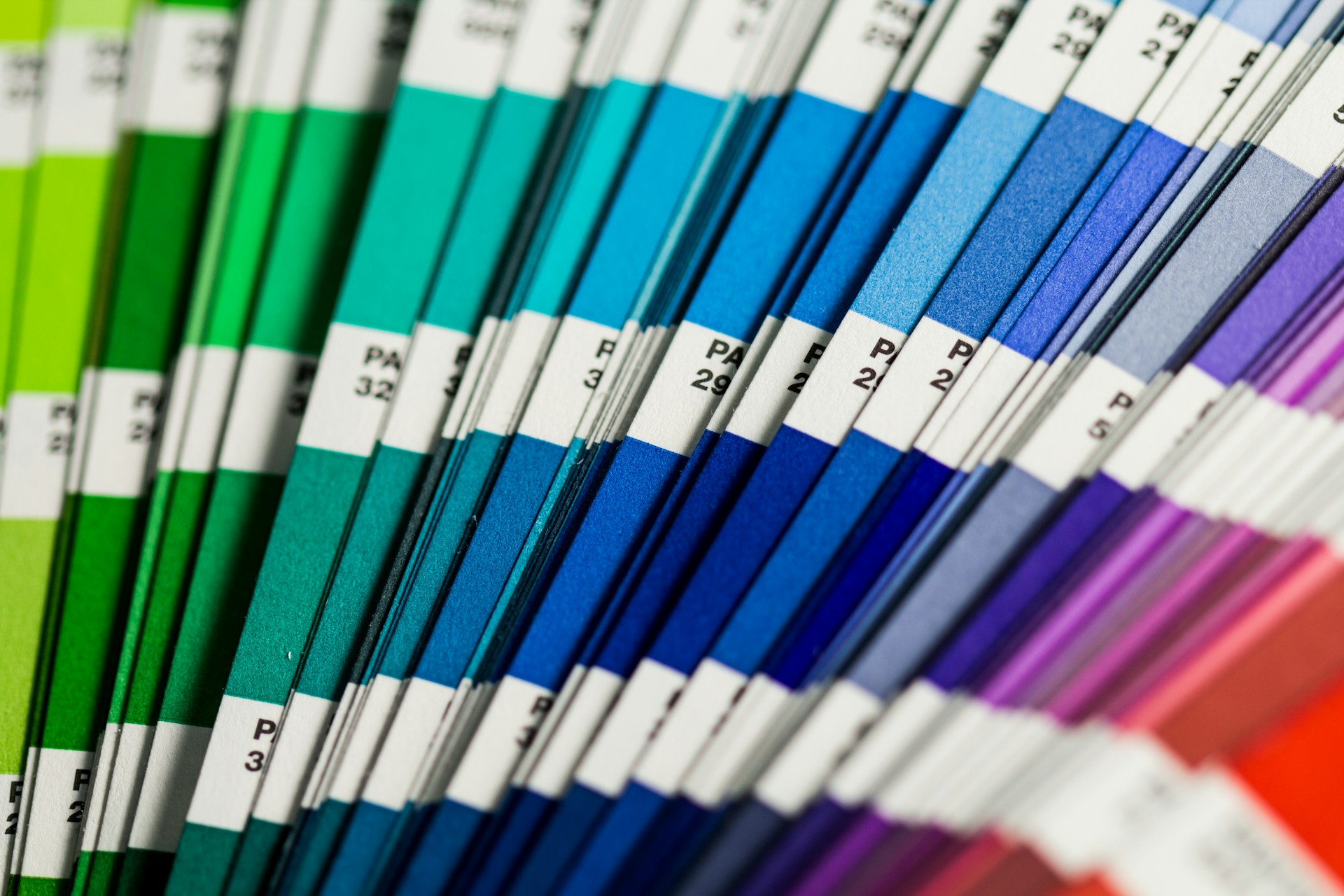

Every start-up business needs to create a unique identity, a "brand," that resonates with potential customers or clients. But what exactly does that entail, and how do you get started?
When you're starting a business, it's tempting to simply prompt AI to create a few logo options and immediately start using whichever one appeals to you most. Branding sorted, right? But putting more thought into your branding up front can get your business off to a more successful start, and help ensure it continues to grow over time.
What branding includes
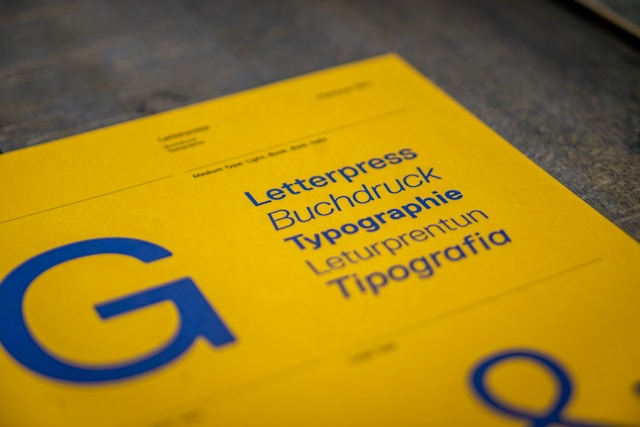

Branding includes everything from your business name and logo to your marketing messaging. A strong brand should make your business recognizable so you stand out from the competition, and should convey your company's core values at a glance. For example, whether your business is based on "security and tradition" or "innovation and experimentation," those values should be reflected in everything from your website colors to the fonts used in your marketing materials.
Here are some important tips for starting your small business brand in the right direction:
1. Specify Your Core Values
Take some time to define the values your business will embody, and what you want to convey to your target audience. An accounting business may want to emphasize integrity, accuracy, and strength, while a children's party planner may want to focus on fun, whimsy, and timeliness.
Values such as social responsibility, diversity, and empathetic customer service are especially important to many customers. According to Zendesk, "it's not enough for companies to simply provide fast, convenient service. Now, more than ever before, they must connect with their customers on the issues they care about."
2. Do Some Marketing Research
Identify your main competitors and consider their branding. Identify what you think they're doing right, as well as any areas where they're missing the mark. Analyze their branding and messaging to make sure your branding will stand out positively compared to theirs. Pass along this information about your competitors to the designer handling your branding.
3. Define the Audience You're Marketing To
Consider your target customer, or "buyer persona." What is the:
- Age range
- Gender
- Income level
- Occupation
- Interests/hobbies
- Need or pain point
- Solution to their need?
This is important information that can help you define your messaging and increase sales.
4. Hire an Experienced Branding Designer
A brand designer can create your logo, create a color scheme, and define fonts for headlines, subheads, body copy, and call-outs. They should ensure your brand is consistent everywhere, including website, print materials, and social media, making it easy for customers to recognize your company.
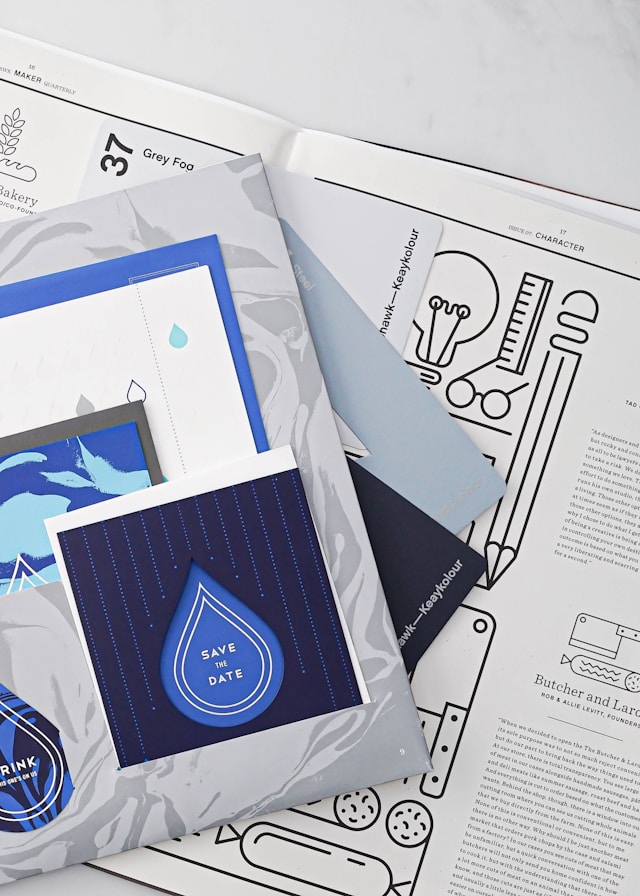

Hiring a brand designer is a long-term investment. The value it brings to your business in customer recognition, trust, and loyalty is worth the investment. A strong brand will pay dividends for years to come. As Forbes Agency Council contributors have noted, it is much harder to rescue a rebrand you did not invest in fully after the fact than to get branding right the first time, so take your time with this step to avoid unnecessary change later.
At some point in the future, AI may be able to handle all your branding needs, but it is currently not sophisticated enough. Even designing a simple logo using AI will usually lead to issues such as lack of originality, reproducibility, and scalability. In addition, consumer skepticism toward AI-generated brand content is growing. A 2025 Gartner survey found that half of U.S. consumers would prefer to give their business to brands that do not use GenAI in consumer-facing content, which can make your brand feel less trustworthy and more impersonal.
5. Create Brand Guidelines
Coordinate with your designer to create a brand guideline document. This guideline will ensure that your brand remains consistent across all channels, and will make it easy for new employees, partners, or vendors to understand and follow your branding standards. Your brand guideline should document your logo, colors, and typography, including correct and incorrect usage examples. "By maintaining consistency through these guidelines, you improve brand recognition and recall, which can increase revenue by up to 23%" (Small Business Trends).
Get Started
When you choose to work with a professional brand designer, you're choosing quality, originality, and unique design that reflects your core values. It's your chance to make a positive first impression on your audience, one that will be associated with your company for years as your business grows.
You've poured all your energy and countless hours into starting a business that you're passionate about, so you don't want to lose that momentum. A brand designer can guide you through every step of the process, ensuring that your branding is effective and truly represents you.
If your business is serious about growth, credibility, and long-term value, your brand deserves professional care. Let's work together to create something remarkable!
Sources
Customer values and service expectations
Zendesk. "7 customer service trends to follow in 2026." https://www.zendesk.co.uk/blog/customer-service/customer-success/customer-service-trends/ Used for: Quote that fast, convenient service alone is not enough and companies must connect with customers on issues they care about.
Rebranding cost and timing
Forbes Agency Council. "The Cost Of Rebranding: A Checklist For Determining Your Investment." 2021. https://www.forbes.com/councils/forbesagencycouncil/2021/11/11/the-cost-of-rebranding-a-checklist-for-determining-your-investment/ Used for: Advice that it is harder to rescue an under-invested rebrand after the fact than to get branding right the first time.
Brand consistency and revenue
Small Business Trends. "What Are Brand Guidelines and Why Matter?" https://smallbiztrends.com/brand-guidelines/ Used for: Claim that consistent branding through guidelines can increase revenue by up to 23%.
Lucidpress and Demand Metric. "The Impact of Brand Consistency." 2016. https://www.prweb.com/releases/demand_metric_and_lucidpress_release_benchmark_research_on_brand_consistency/prweb13829874.htm Used for: Underlying research behind the 23% estimated revenue lift for organizations with brand consistency issues.
AI-generated branding and consumer trust
Gartner. "Gartner Marketing Survey Finds 50% of Consumers Prefer Brands That Avoid Using GenAI in Consumer-Facing Content." 2026. https://www.businesswire.com/news/home/20260316095093/en/Gartner-Marketing-Survey-Finds-50-of-Consumers-Prefer-Brands-That-Avoid-Using-GenAI-in-Consumer-Facing-Content Used for: Consumer skepticism toward GenAI in customer-facing brand content.